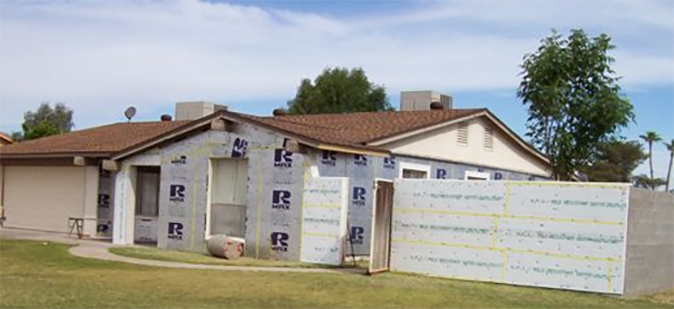
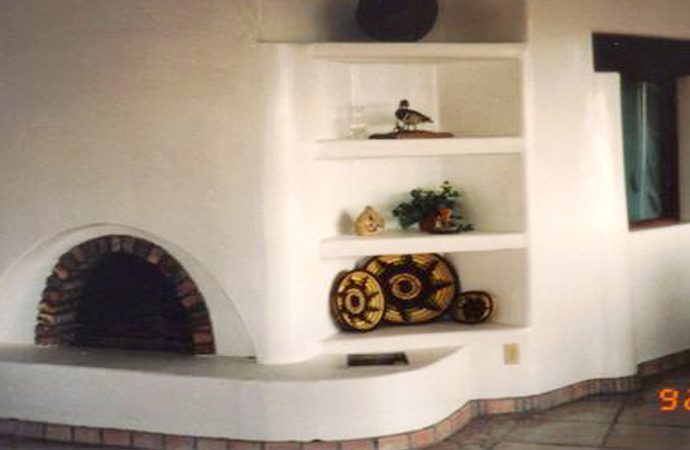
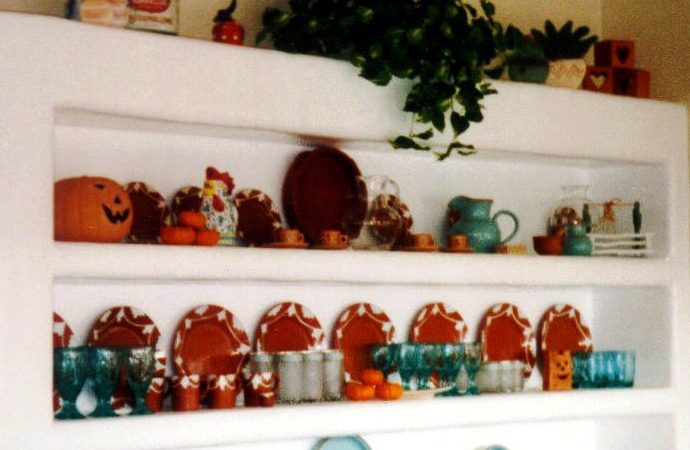
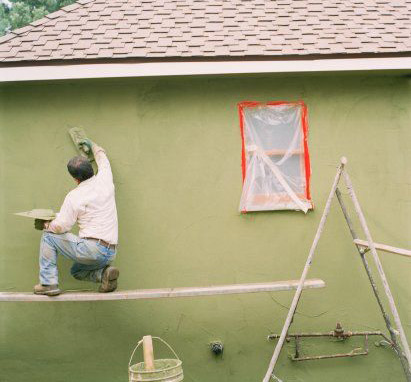
(After)
A. Lombardi Plastering & Stucco
Serving The Valley since 1986 – Call (623) 582-3671
(After)
Additional Finished Plaster – After
Stucco damage is not always obvious at first. Small cracks, stains, or surface changes can be early warning signs of bigger problems. In Phoenix, heat, UV exposure, and monsoon storms can make stucco damage worse if it is ignored.
Knowing what to look for can help you repair stucco early and avoid more expensive restoration later.
Hairline cracks, vertical cracks, stair-step cracks, and widening cracks should be inspected. Even small cracks can allow moisture into the wall system during storms.
Staining may indicate water intrusion or moisture collecting behind the stucco. This is especially important after monsoon season.
Bulging, soft, or hollow-sounding stucco may indicate deeper damage. These areas should be inspected before the damage spreads.
Surface breakdown can happen as stucco ages or when coatings fail under intense Arizona sun exposure.
Cracks or gaps near openings can allow water intrusion. These areas are common trouble spots and should be sealed properly.
If patched areas are cracking again or do not blend with the surrounding finish, the repair may not have been done correctly.
A Lombardi Plastering repairs cracked, stained, worn, and damaged stucco throughout the Phoenix area. We can inspect the problem and recommend the right repair.
Cracks, stains, flaking, soft spots, and bulging areas are common early signs.
Not always, but they should be repaired early to prevent moisture intrusion and spreading.
Water-damaged stucco may show stains, bubbling, soft spots, peeling, or discoloration.
Yes. Monsoon moisture can expose weak areas and worsen existing cracks.
When stucco is cracked, stained, or deteriorating, many homeowners wonder whether they need a simple repair or a full replacement. The right answer depends on the location, severity, and cause of the damage.
In Phoenix, stucco problems are often caused by heat, UV exposure, soil movement, and seasonal monsoon moisture. A professional inspection can determine whether localized repair is enough or whether resurfacing is the better option.
Stucco repair is often the best choice when damage is limited to a specific area. This may include hairline cracks, small chips, minor patching, or isolated water stains.
Replacement or resurfacing may be necessary if damage is widespread or if the existing stucco finish is failing across large areas.
Repair is usually more affordable than replacement because it focuses on the damaged area. Replacement or full resurfacing costs more because it requires more labor, preparation, material, and finishing.
Phoenix heat and monsoon moisture can make stucco damage worse over time. A small crack may become a water entry point. Faded or worn surfaces may become more vulnerable to cracking and deterioration.
A Lombardi Plastering can inspect your stucco and recommend whether repair, patching, refinishing, or replacement is the right solution.
Repair is often better for localized damage. Replacement may be needed for widespread failure or severe moisture damage.
Yes. Many damaged areas can be patched and texture matched by a professional.
Stucco may need replacement if it is separating, bulging, heavily cracked, or repeatedly damaged by moisture.
In many cases, refinishing can restore the appearance and protection of aging stucco without full replacement.
Stucco can last for decades when it is installed correctly and maintained properly. In Arizona, however, the lifespan of stucco depends heavily on exposure to heat, sunlight, moisture, soil movement, and the quality of past repairs.
Phoenix homeowners should inspect stucco regularly because the desert climate can accelerate cracking, fading, and surface wear.
A well-maintained stucco exterior can last 50 years or more. The finish coat, paint, sealants, and exposed surfaces may need maintenance sooner, especially in areas with direct sun exposure or moisture contact.
High temperatures cause expansion and contraction that can create cracks over time.
Constant sunlight can fade coatings and weaken exterior finishes.
Seasonal storms can push water into cracks, joints, and weak spots.
Ignoring cracks, stains, and soft areas can lead to larger repairs later.
Regular maintenance is the best way to extend the life of stucco in Arizona. Homeowners should repair cracks early, keep water away from exterior walls, inspect after storms, and refinish worn surfaces when needed.
A Lombardi Plastering helps Phoenix-area property owners maintain stucco exteriors through crack repair, patching, refinishing, and water damage repair.
Stucco can last for decades, but the surface may need repair or refinishing sooner due to heat, UV exposure, and monsoon moisture.
Phoenix homeowners should inspect stucco at least once a year and after severe storms.
Yes. Crack repair, sealing, patching, and refinishing can help extend stucco lifespan.
Yes. Worn or faded stucco can often be refinished to restore appearance and protection.
Repairing stucco cracks requires more than filling the visible gap. A lasting repair depends on proper preparation, sealing, texture matching, and understanding why the crack happened in the first place. In Phoenix, heat, soil movement, and monsoon moisture can make small cracks worse if they are not handled correctly.
The first step is to determine whether the crack is cosmetic or a sign of a deeper issue. Hairline cracks may be surface-level, while larger cracks, widening cracks, or cracks near windows and doors may require a more detailed inspection.
Loose material, dust, paint, and debris should be removed before repair material is applied. A clean surface helps the repair bond properly and reduces the chance of premature failure.
The appropriate repair material depends on the type and size of the crack. The crack should be filled, sealed, and finished in a way that prevents water from entering the stucco system.
Texture matching is one of the most important parts of stucco crack repair. Without proper blending, the repaired area may remain visible even after painting or refinishing.
Once the repair is complete, the area may need coating, painting, or sealing depending on the condition of the surrounding stucco. This helps protect the repair from Phoenix heat and seasonal moisture.
Call a stucco repair professional if cracks are wide, spreading, stained, soft, or located near windows, doors, or corners. These may indicate water intrusion, movement, or deeper damage.
A Lombardi Plastering provides professional stucco crack repair in Phoenix with careful preparation and texture matching.
Small cosmetic cracks may be patched, but professional repair is recommended for larger cracks, water damage, or visible texture areas.
Cracks may return if the underlying cause is not addressed. Proper preparation and sealing improve repair durability.
Texture matching requires experience with application technique, material consistency, and finish blending.
Yes. Cracks should be repaired before painting or coating so the surface is properly sealed.
Stucco cracks are common in Arizona because the desert climate puts constant stress on exterior surfaces. Phoenix homes face intense heat, direct sunlight, dry conditions, seasonal monsoon moisture, and soil movement. Over time, these factors can cause stucco to expand, contract, separate, or crack.
While some small cracks may look minor, they should not be ignored. Cracks can allow moisture into the wall system and may grow larger if they are not repaired properly.
Phoenix temperatures can create repeated expansion and contraction in exterior materials. During hot days, stucco expands. As temperatures drop, it contracts. This movement can create stress that leads to cracking.
Arizona soil conditions can shift over time. When the ground moves, the structure may settle or shift slightly, placing pressure on exterior stucco surfaces.
Monsoon rain can enter through existing cracks or weak areas. Moisture behind stucco can worsen damage and lead to staining, bubbling, or separation.
Stucco that was not installed or repaired correctly may crack sooner. Incorrect materials, inadequate sealing, or poor texture blending can all contribute to future problems.
Not every stucco crack means there is a major structural problem, but cracks should still be inspected. Hairline cracks can be cosmetic, but they may also allow moisture to enter during storms. Larger cracks, stair-step cracks, bulging areas, or soft spots should be evaluated quickly.
A Lombardi Plastering repairs stucco cracks for Phoenix-area homes and businesses. We inspect the damage, prepare the crack properly, apply repair materials, seal the area, and match the existing texture as closely as possible.
Hairline cracks are common, but they should still be monitored and repaired before moisture or heat causes them to expand.
Phoenix heat, UV exposure, soil movement, and monsoon moisture all create stress on stucco surfaces.
Yes. Cracks can allow moisture to enter behind the stucco, which may lead to staining, soft spots, or deeper damage.
Yes. Most stucco cracks can be repaired with proper preparation, sealing, patching, and texture matching.
The cost of stucco repair in Phoenix depends on the size of the damaged area, the severity of the problem, the finish texture, and whether water has reached the surface beneath the stucco. Because Arizona homes are exposed to intense sun, dry heat, and seasonal monsoon moisture, small stucco issues can become more expensive if they are left untreated.
A Lombardi Plastering provides professional stucco repair in Phoenix for homeowners and businesses that need crack repair, patching, water damage repair, refinishing, and texture matching.
Small hairline cracks usually cost less to repair than large sections of damaged or deteriorated stucco. The larger the repair area, the more labor, material, preparation, and finishing work is required.
Surface-level cracks are typically easier to repair. If the stucco is soft, bulging, stained, or separating from the wall, the repair may require deeper work to correct the underlying issue.
Water intrusion can increase the cost of stucco repair because damaged material may need to be removed before the wall is patched and sealed. In Phoenix, monsoon storms can force moisture into cracks and weak areas.
A clean stucco repair should blend with the existing finish. Matching texture takes skill, especially on older homes or properties with custom finishes.
In many cases, stucco repair is more affordable than replacement. If the damage is limited to a specific area, repairing and blending the surface can restore the appearance and protection of the exterior without replacing the entire system.
Replacement or full resurfacing may be needed when damage is widespread, moisture intrusion is severe, or the existing finish has failed across large sections.
Phoenix weather is tough on exterior finishes. Heat causes expansion and contraction, UV exposure breaks down coatings, and monsoon moisture can enter through cracks. Repairing stucco early helps prevent water damage, larger cracks, and more costly restoration later.
The best way to understand the cost of stucco repair is to have the damage inspected. A Lombardi Plastering can evaluate your stucco, explain your options, and provide a repair estimate.
Cost depends on the size, depth, location, and severity of the damage. Small cracks usually cost less than water-damaged or widespread stucco repairs.
Yes. Small cracks can allow moisture into the wall system, especially during monsoon season. Early repair can help avoid larger problems.
Professional stucco repair should include texture matching so the repaired area blends with the surrounding finish.
Localized damage can often be repaired. Widespread damage, severe moisture issues, or failing finishes may require resurfacing or replacement.
Sample #5: Exterior
Sample #5: Exterior